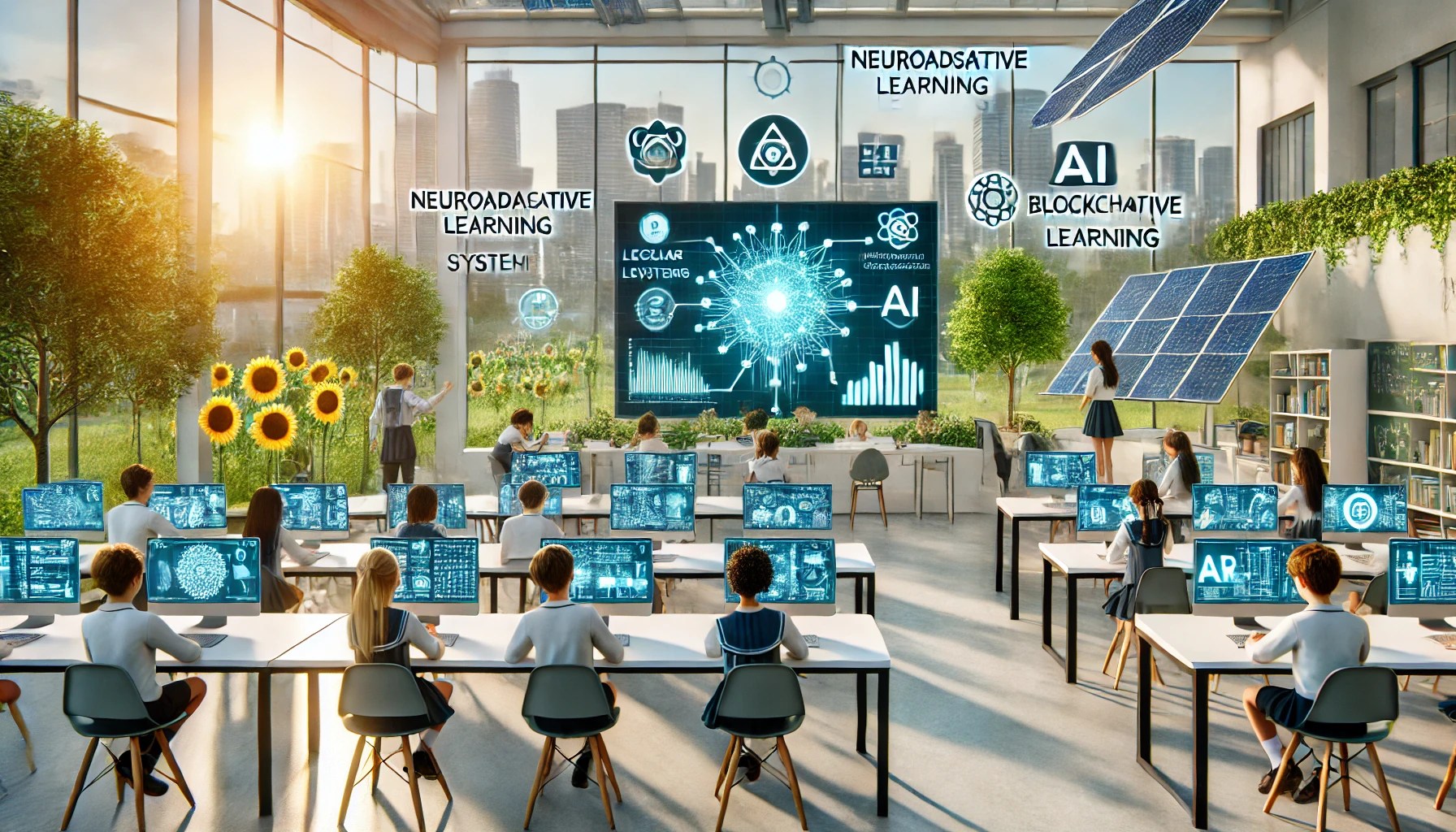
The Future of Digital Learning: Top Trends Shaping Education in 2025

Summary

As we move into 2025, the field of digital learning is evolving at an unprecedented pace. Staying updated on emerging technologies, innovative Learning methods, and educational paradigms is critical for educators, learners, and digital learning professionals.
This article explores the key trends that are redefining digital learning, offering insights into how they can enhance learner experience, engagement, accessibility, and overall learning effectiveness.
Emerging Technologies in Digital Learning for 2025

The rapid evolution of Digital Learning technologies continues to reshape how knowledge is delivered and consumed. Staying ahead of these changes is vital for leveraging innovations that can revolutionize learning experiences. Below are the top trends set to define Digital Learning in 2025:

Artificial Intelligence (AI) in Digital Learning

1. Personalized Learning Pathways
AI enables customized learning experiences by analyzing learner data to identify strengths and weaknesses. By recommending targeted resources and activities, AI creates personalized pathways that optimize learning outcomes, ensures that each learner receives the support they need on timely manner to succeed, making learning more effective and inclusive.

2. Intelligent Tutoring Systems (ITS)
AI-driven Intelligent Tutoring Systems (ITS) simulate one-on-one tutoring, providing real-time feedback and personalized guidance. This bridges gaps between traditional and online learning, enhancing engagement and support.

3. Automated Administrative Tasks
AI streamlines administrative processes such as grading, attendance tracking, and course management. Automating these tasks allows educators to focus on teaching and developing innovative methods.

Virtual & Augmented Reality (VR/AR)

1. Immersive Learning Experiences
VR transports learners to virtual environments, while AR overlays digital information onto the real world. Both technologies offer interactive, hands-on experiences that deepen understanding.

2. Enhanced Collaboration
VR and AR facilitate teamwork by enabling collaborative projects in virtual spaces, fostering a sense of community among learners and bridging remote and in-person interactions.

3. Real-World Applications
Integrating AR and VR into learning enables learners to apply their knowledge to real-world scenarios.
For example: medical learners can perform virtual surgical simulations, and engineering learners can design and test structures using augmented reality. These immersive, hands-on experiences deepen understanding, improve retention, and better prepare learners for their professional careers.

Gamification

1. Motivation and Engagement
By incorporating game-like elements such as points, badges, and leaderboards, gamification keeps learners motivated and invested in their education.

2. Skill Development
Gamification promotes critical thinking, problem-solving, and teamwork by presenting challenges that require creative solutions.

3. Real-Time Feedback
Gamified systems provide instant progress updates, enabling learners to adjust strategies and achieve their goals effectively.

Mobile Learning (mLearning)

1. Learning on the Go
Mobile learning leverages smartphones and tablets to deliver content anywhere, empowering learners to integrate education into their daily routines.

2. Responsive Design
Platforms adopt responsive design to optimize content for various devices, ensuring seamless access and user-friendly experiences.

3. Interactive Features
Touch-based navigation, multimedia elements, and gamified activities enhance engagement and make mobile learning dynamic.

Microlearning

1. Bite-Sized Content
Microlearning presents small, digestible modules, making it easier for learners to grasp and retain complex topics, especially for time-constrained professionals.

2. Flexibility and Accessibility
Learners can access content on their preferred devices anytime, anywhere. This adaptability ensures inclusivity and caters to various learning styles.

3. Increased Engagement
Interactive elements like quizzes, videos, and gamified activities make learning enjoyable, reinforcing key concepts and boosting retention.

Data-Driven Decision Making

1. Analytics and Insights
Digital Learning platforms gather data on learner performance and engagement, helping educators refine strategies and improve outcomes.

2. Personalized Learning Experiences
Analyzing data allows platforms to recommend tailored resources and activities, catering to individual learning needs.

3. Continuous Improvement
Regular data analysis enables Digital Learning providers to identify gaps and enhance platforms, ensuring they remain effective and relevant.

Adaptive Learning

1. Personalized Learning Paths
Adaptive systems continuously adjust content based on learner progress, ensuring a tailored learning experience.

2. Real-Time Adjustments
These systems identify struggling learners and provide additional support, improving comprehension and retention.

3. Improved Retention
Adaptive learning fosters long-term understanding by addressing individual needs and ensuring mastery of concepts.

Blockchain in Education

1. Secure Credentialing
Blockchain ensures tamper-proof educational credentials, enhancing trust and simplifying verification for learners and employers.

2. Decentralized Learning Records
Comprehensive, blockchain-based learning records track achievements across a learner’s educational journey, opening new opportunities.

3. Increased Trust and Transparency
Blockchain builds confidence in educational credentials, reducing fraud and streamlining processes.

Social Learning

1. Collaborative Learning Environments
Digital Learning platforms create spaces for learners to collaborate on projects, share resources, and participate in discussions, fostering community and engagement.

2. Peer-to-Peer Learning
Learners learn from one another through peer-to-peer interactions, developing communication and teamwork skills while reinforcing their knowledge.

3. Social Media Integration
Integrating platforms like LinkedIn and Twitter enhances connectivity, enabling learners to share insights and participate in broader educational discussions.

Conclusion

The future of Digital Learning in 2025 is marked by rapid innovation and transformation. Emerging technologies like AI, VR/AR, and blockchain, along with methodologies such as microlearning, gamification, and social learning, are set to redefine education. By embracing these trends, educators and institutions can deliver more engaging, accessible, and effective learning experiences, positioning themselves at the forefront of this dynamic field.


By Amany Atef
Smart Learning Futurist & Innovation Strategist
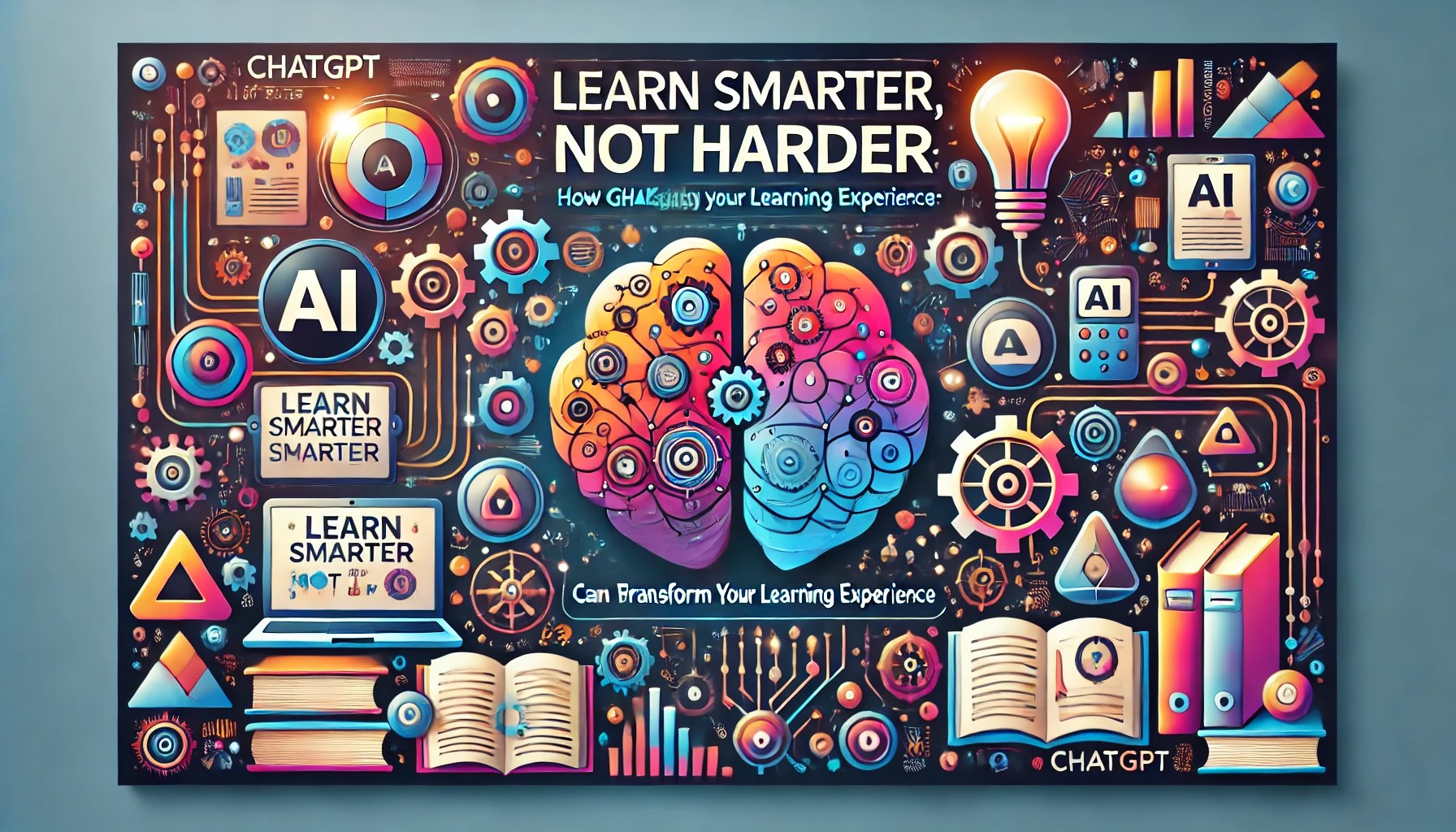
Learn Smarter, Not Harder: How ChatGPT Can Transform Your Learning Experience!


Introduction

ChatGPT can serve as your personal learning buddy and teaching assistant. By using the right prompts, you can save time, increase your learning and earnings, and enjoy your work more. OpenAI’s flagship platform excels at facilitating learning, acting like a tutor, comprehensive textbook, or wise mentor—only much faster. With a bit of guidance—specifically in mastering prompt writing—ChatGPT can help you learn new things significantly more efficiently than traditional methods. Here are my favorite ways to use ChatGPT for learning, enabling you to master any subject 100X faster!

Here you Go…. 😉

1. Research Assistance

Research is a cornerstone of effective learning, and ChatGPT excels in this area. By leveraging its extensive knowledge base, ChatGPT can provide reliable sources and key concepts for any topic you are studying.

Prompts:

  • What are some key terms I should know about [topic]?
  • Provide me with some reliable sources to learn about [topic].
  • Act as a research assistant and provide me with five reliable sources on [topic].

Example:
If you’re studying climate change, ChatGPT can offer sources, define key terms, and highlight important concepts, making your research process more efficient and thorough.

2. Definitions and Explanations

Understanding new terms and concepts is crucial for learning. ChatGPT can provide clear, concise definitions and explanations, along with real-world examples to enhance comprehension.

Prompts:

  • What does [term] mean?
  • Can you explain [concept] to me?
  • Define [term] and provide an example.

Example:
For instance, if you’re learning about “blockchain,” ChatGPT can define the term, explain its significance, and provide examples of its applications.

3. Answering Specific Questions

When you’re unsure about a specific concept or idea, ChatGPT can provide detailed answers to your questions, helping you understand complex topics better.

Prompts:

  • What are the best practices for [topic]?
  • What are the advantages and disadvantages of [concept]?
  • Can you give me some examples of [topic] in real life?

Example:
If you’re curious about the benefits of renewable energy, ChatGPT can list advantages, provide case studies, and suggest best practices for implementation.

4. Summarizing Complex Topics

Digesting large volumes of information can be overwhelming. ChatGPT can summarize articles, books, or complex ideas into more manageable pieces.

Prompts:

  • Describe the main points of [book] in a few sentences.
  • Craft a brief summary of [topic].
  • Summarize in a few short sentences: [sentence].

Example:
For a lengthy research paper on quantum computing, ChatGPT can distill the key points, making it easier for you to grasp the essential information quickly.

5. Learning New Skills

ChatGPT can provide step-by-step instructions, tips, and exercises for learning new skills, from languages to technical abilities.

Prompts:

  • Give me step-by-step instructions on how to learn [skill].
  • Explain the basics of [subject] for beginners.
  • Can you provide me with some exercises to practice [skill]?

Example:
If you’re learning Spanish, ChatGPT can offer vocabulary exercises, pronunciation tips, and grammar rules to help you progress.

6. Recommending Resources

Beyond answering questions, ChatGPT can suggest books, articles, apps, and other resources to deepen your knowledge on any subject.

Prompts:

  • Give me some book recommendations on [topic].
  • Can you recommend some blogs to follow for [topic]?
  • Suggest three apps for learning [language].

Example:
For someone interested in digital marketing, ChatGPT can recommend the latest books, influential blogs, and useful apps to enhance their learning.

7. Exploring Related Topics

To gain a comprehensive understanding, exploring related subjects is essential. ChatGPT can help you delve into connected areas and broaden your perspective.

Prompts:

  • List some related topics to [subject] that I should explore.
  • Describe the relationship between [concept1] and [concept2].
  • Explain how [subject] relates to [field].

Example:
If you’re studying artificial intelligence, ChatGPT can suggest exploring machine learning, data science, and their applications in various industries.

8. Practice Exercises

Engaging in practice exercises is crucial for reinforcing learning. ChatGPT can generate quizzes, fill-in-the-blank exercises, and other practice activities.

Prompts:

  • Create a quiz on [topic] with ten questions.
  • Generate a fill-in-the-blank exercise on [concept].
  • Come up with a multiple-choice exercise to test knowledge of [skill].

Example:
For someone studying biology, ChatGPT can create quizzes on cell structure, genetics, and other key areas to test and reinforce their knowledge.

9. General Tips and Advice

ChatGPT offers general tips and advice on effective learning strategies, time management, and staying motivated.

Prompts:

  • Describe some effective study strategies for [subject].
  • Give me tips on how to stay motivated while learning [topic].
  • Explain how to manage time effectively when studying [subject].

Example:
If you’re preparing for exams, ChatGPT can provide advice on creating a study schedule, staying organized, and maintaining focus and motivation.

10. Simplify Complex Information

Breaking down complex subjects into smaller, more digestible parts is key to understanding. ChatGPT can use analogies and real-life examples to simplify difficult concepts.

Prompts:

  • Break down [subject/topic] into easier-to-understand parts. Use analogies and real-life examples to simplify the concept and make it more relatable.

Example:
Instead of scrolling through YouTube for videos or searching for explainer articles, ChatGPT can quickly help you grasp the basics of complicated subjects in a memorable way.

11. Create a Study Plan

Organizing your study time effectively can significantly enhance your learning experience. ChatGPT can help you design a study plan, including breaks and practice exercises.

Prompts:

  • I need help organizing my study time for [subject/topic]. Can you create a study plan for me, including breaks and practice exercises?

Example:
Even without upcoming exams, a well-structured study plan allows you to delve deep into any subject of interest, expanding your knowledge and broadening your horizons.

12. Memorize Key Information

Memorization techniques are essential for retaining important facts, dates, or formulas. ChatGPT can help you develop effective strategies for memorization.

Prompts:

  • What are the most important facts, dates, or formulas related to [topic]? Help me create a memorization technique to remember them easily.

Example:
From creating memorable rhymes to crafting stories related to the topic, ChatGPT can enhance your ability to absorb and remember crucial information for any event.

13. Apply Your Knowledge

Applying what you’ve learned to real-world problems is a great way to deepen your understanding. ChatGPT can guide you through this process.

Prompts:

  • Use your knowledge of [topic] to solve a real-world problem. Explain your thought process and share your solution.

Example:
Exploring how your existing knowledge can be applied in various contexts can open doors to new opportunities and career paths.

14. Compare and Contrast

Understanding the similarities and differences between two concepts can provide deeper insights. ChatGPT can help you compare and contrast different ideas.

Prompts:

  • Compare and contrast [concept 1] and [concept 2] to better understand their similarities and differences. Use examples to illustrate your points.

Example:
By examining both concepts thoroughly, ChatGPT can help you understand their similarities and differences comprehensively.

15. Learn from ‘Future’ Mistakes

Evaluating potential mistakes and learning from them is crucial for growth. ChatGPT can help you analyze errors and improve your understanding.

Prompts:

  • I made a mistake while practicing [skill]. [Describe the mistake if you can]. Can you explain what went wrong and how I can avoid making the same mistake in the future?

Example:
By actively engaging in this process, you can gain valuable insights and perspectives, enriching your learning journey.

16. Summarize Long Texts

When faced with lengthy articles or papers, summarizing key points can save time. ChatGPT can distill the essential information for you.

Prompts:

  • I need to read a complicated article related to [topic]. Here is the content [insert content]. Can you help me summarize the key points and takeaways from the text?

Example:
Instead of spending hours reading through long articles, ChatGPT can provide a concise summary, allowing you to stay informed without sacrificing too much time.


Conclusion
:

ChatGPT is a versatile tool for anyone looking to master new topics and skills. By utilizing its capabilities, you can enhance your learning experience, save time, and achieve your educational goals more efficiently. Give ChatGPT a try today and unlock the power of AI for your learning journey.

By integrating ChatGPT into your learning routine, you can transform how you acquire knowledge and skills. Explore the prompts, tips, and examples provided to make the most out of this cutting-edge AI tool.

Remember.. Learn Smarter, Not Harder! 😉


About the Author:

Amany Atef is a seasoned professional with expertise in digital learning, innovative pedagogy, and project management. She shares her insights on EdTech, smart learning, and technology in education.

Follow me:
 LinkedIn: Amany Atef, MBA, MBA
 X-Twitter: @AmanyAtef


Subscribe for More Insights

Stay updated with the latest tips, strategies, and insights on mastering new skills and topics by subscribing to our blog. Don’t miss out on the valuable content that can help you learn faster and smarter.


Major Educational Shifts on the Horizon for Late 2024: Emerging Trends to Watch

As we move further into 2024, the EdTech landscape is undergoing a dramatic transformation with innovative trends redefining how education is delivered and experienced.


1. AI in Educational Predictive Analytics

AI’s predictive analytics capabilities are empowering educators to anticipate learner outcomes and identify those who may need additional support. By leveraging these insights, educators can tailor their lessons and interventions to individual learners, significantly enhancing academic success rates.

2. Blockchain Integration in Education

Blockchain technology is becoming a key player in enhancing security and transparency in education institutions. It ensures the authenticity of certificates and credentials, preventing fraud and easing verification. Additionally, blockchain facilitates smart contracts for online course payments and enrollments, streamlining administrative processes.

3. Augmented Reality (AR) for Outdoor Learning

While AR has been used in classrooms for some time, 2024 is seeing a surge in its application for outdoor experiential learning. AR apps overlay educational content on real-world settings, allowing learners to explore subjects like history, geography, and science in an interactive and engaging way. This trend promotes physical activity and discovery.

4. Eco-Friendly EdTech: Fostering Sustainable Classrooms

Sustainability has become a focal point in educational technology. Institutions are increasingly adopting green practices, such as using energy-efficient devices, digital textbooks to reduce paper consumption, and energy-efficient server solutions. These initiatives aim to minimize environmental impact while integrating technology into education.

5. Neuroadaptive Learning Systems

Neuroadaptive learning systems tailor the educational experience to learners’ mental and emotional states. These systems monitor physiological data like heart rate and respiration to gauge workload capacity and learning speed. This personalized approach helps create an optimal learning environment, maximizing engagement and efficiency without overwhelming learners.

6. The Rise of BYOD: Boosting Student Engagement

The Bring Your Own Device (BYOD) initiative is gaining traction in class this year. By allowing learners to bring their personal devices to class, institutions save on technology costs while enhancing learner engagement. This approach fosters personalized learning experiences by enabling the use of a diverse array of educational apps and resources.

——————————–

Amany Atef, Smart Learning Expert
Dubai, UAE