As we move further into 2024, the EdTech landscape is undergoing a dramatic transformation with innovative trends redefining how education is delivered and experienced.
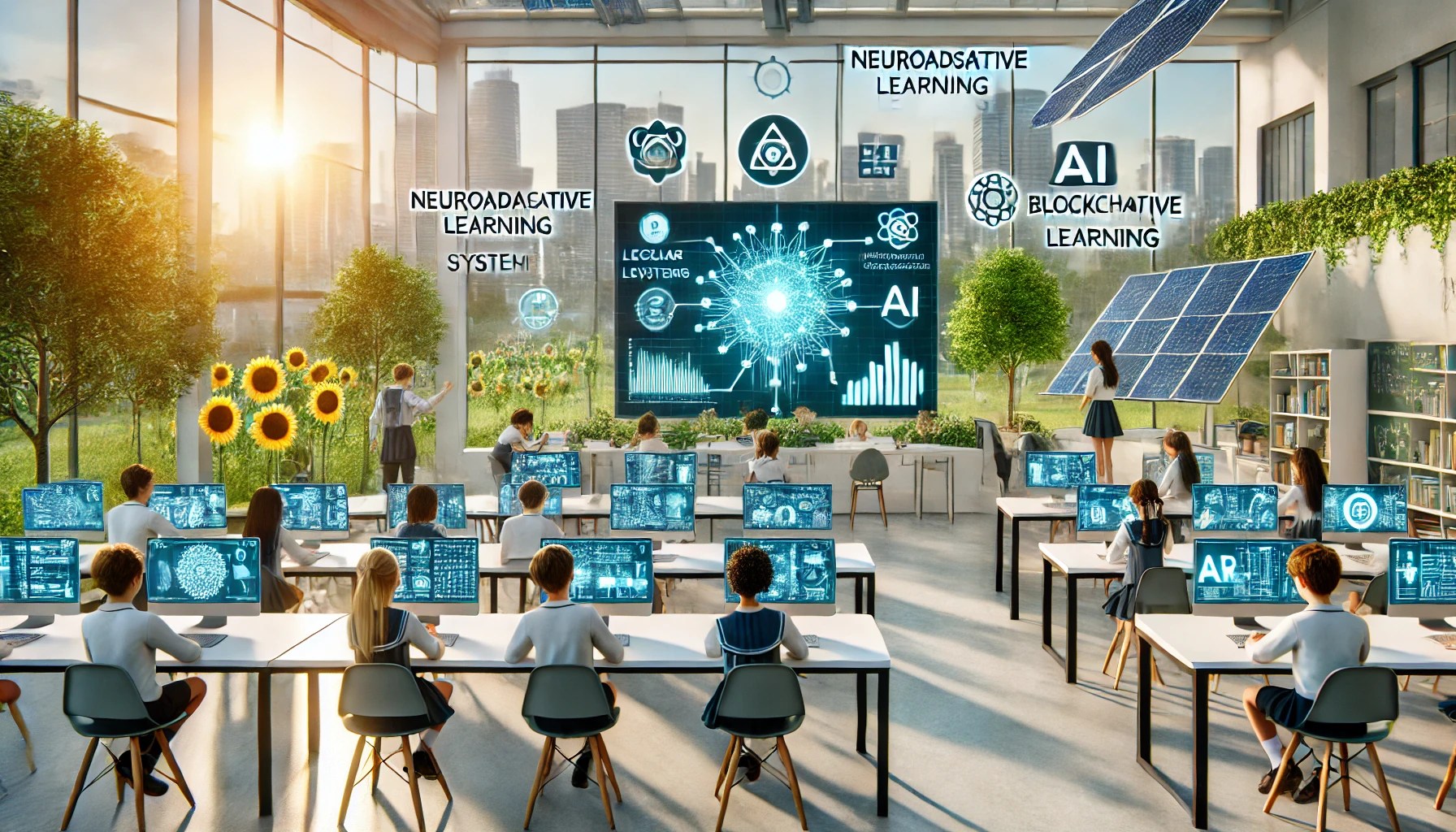
1. AI in Educational Predictive Analytics
AI’s predictive analytics capabilities are empowering educators to anticipate learner outcomes and identify those who may need additional support. By leveraging these insights, educators can tailor their lessons and interventions to individual learners, significantly enhancing academic success rates.
2. Blockchain Integration in Education
Blockchain technology is becoming a key player in enhancing security and transparency in education institutions. It ensures the authenticity of certificates and credentials, preventing fraud and easing verification. Additionally, blockchain facilitates smart contracts for online course payments and enrollments, streamlining administrative processes.
3. Augmented Reality (AR) for Outdoor Learning
While AR has been used in classrooms for some time, 2024 is seeing a surge in its application for outdoor experiential learning. AR apps overlay educational content on real-world settings, allowing learners to explore subjects like history, geography, and science in an interactive and engaging way. This trend promotes physical activity and discovery.
4. Eco-Friendly EdTech: Fostering Sustainable Classrooms
Sustainability has become a focal point in educational technology. Institutions are increasingly adopting green practices, such as using energy-efficient devices, digital textbooks to reduce paper consumption, and energy-efficient server solutions. These initiatives aim to minimize environmental impact while integrating technology into education.
5. Neuroadaptive Learning Systems
Neuroadaptive learning systems tailor the educational experience to learners’ mental and emotional states. These systems monitor physiological data like heart rate and respiration to gauge workload capacity and learning speed. This personalized approach helps create an optimal learning environment, maximizing engagement and efficiency without overwhelming learners.
6. The Rise of BYOD: Boosting Student Engagement
The Bring Your Own Device (BYOD) initiative is gaining traction in class this year. By allowing learners to bring their personal devices to class, institutions save on technology costs while enhancing learner engagement. This approach fosters personalized learning experiences by enabling the use of a diverse array of educational apps and resources.
——————————–
 The Smart Learning Expert: Insights and Innovations