Many large, ambitious organizations will be looking closely at their plans for elearning in 2016. Online training looks set to continue growing as part of an overall strategy to gain competitive advantage, and the use of elearning is rapidly expanding, replacing or supplementing traditional classroom learning. An annual growth rate of 7.9% since 2012 is expected by many to bring the global investment in elearning to over $50 billion per year by the end of 2016.
As is common in a booming industry, a lot of new developments and trends are popping up in the field of elearning, with companies that need to onboard, train and ensure compliance from a large workforce looking not only at online vs traditional training, but how to make best use of the technology and techniques available.
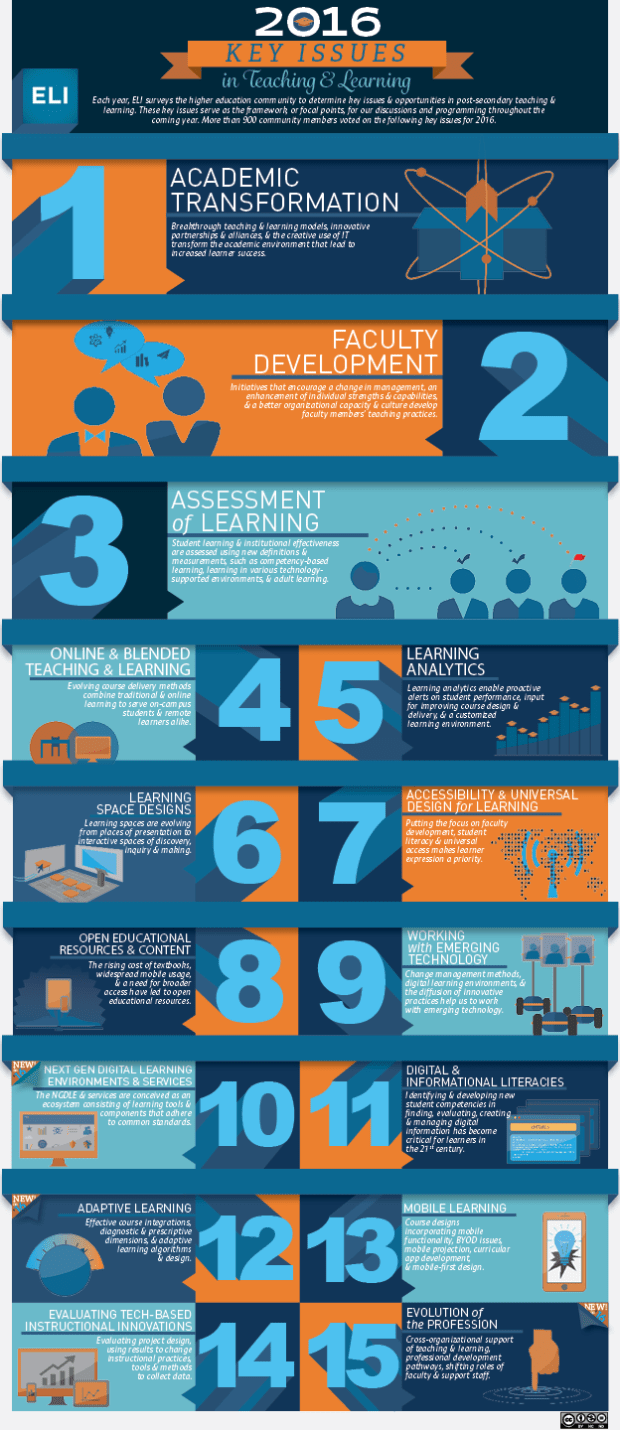
Let’s have a look at some of the most important trends in online training that could and should be influential in planning your elearning in 2016.
Gamification
Gamification is not a completely new trend, but it has been gaining some serious traction in the last few years. More and more research is indicating that incorporating game dynamics into an e-learning program can enhance learning outcomes significantly.
Developing effective games for online training courses is still a time-expensive process that, if not performed correctly, won’t bring the desired results. To make sure you use gamification effectively, it is important that the elearning games are based on proven learning research.
More and more elearning consultancies are specializing in gamification, bringing better and more cost-effective solutions to the market. This makes it more interesting for organisations to hop on the gamification band wagon.
We predict that in 2016, gamification is really going to take off. If you’ve not been experimenting with gamified learning yet, now is the time to get started.
Big Data
Big Data is the buzzword in most technology-focused these days, including the elearning industry.
Big Data analytics tools are getting more and more sophisticated, but also easier and cheaper to use. Analysing your organisation’s learning data and combining it with external learning data sources can provide important insights about your e-learning programs and how to go about improving course content and optimizing your learning strategy.
By analysing individual and group learning patterns, courses can be personalised in a way that realises the best learning results for both the individual and the organization as a whole.
The more data is being stored and the more advanced Big Data analytics tools become, the more useful it will be for elearning. It may be just the right time to start looking at using Big Data to improve your elearning programs.
Cloud e-Learning
Many organizations have already migrated to a cloud e-learning solution, but it looks like cloud computing will become even more important in 2016. Organizations that have been reluctant to adopt cloud technology (often due to security concerns) are changing their attitudes.
The added functionalities, ease of use and uncomplicated maintenance that cloud software offers will convince even more organisations to make the switch in 2016.
Social Learning
Social media isn’t just for sharing your latest holiday or party photos. It can also be used as an effective personal learning tool. Social media is already being used as a tool for connecting with people that work across international teams or within complementary organizations within the same industry, sharing and discussing ideas, and collaborating on projects.
There are many ways in which social media can aid with learning. For example, Facebook groups can be used in an eLearning course to discuss learning topics and make it easier for student to help each other out without having to be in the same room. Twitter can be used to get in touch with subject matter experts, stir up discussions and curate interesting content about the eLearning topic.
We believe that social media will play an ever more important role in learning throughout 2016 and beyond.
Automation in eLearning Course Development
Right now, elearning design and creation is still a very time intensive process. This may change significantly in the next few years though. Automated content creation solutions are becoming more and more sophisticated, allowing content providers to create and curate great elearning content with minimal effort.
elearning elements that used to take a long time to develop, such as exercises, quizzes, tests and games, can now be generated using automated solutions. The most advanced tools scan the course content and determine which are the most important parts to be included in tests.
These solutions will only get better, allowing for significant time and cost savings in the development of elearning courses. They can also provide a more individualized learning experience by analyzing a student’s performance and learning preferences. Based on this information, course content (including tests) can be personalized.
Augmented Reality
While 2016 may not yet see an explosion of augmented reality use within elearning, it is an area that is under intense development. Augmented reality devices such as Google Glass and Oculus Rift may become part of everyday life in the future and will surely become more popular in elearning.
These devices allow environments to be adapted (virtually) to improve the learning experience. For example, an online course about astronomy could use augmented reality glasses to give a tour of the moon without the student having to leave their home or office. For a French class, the glasses could display a French classroom, better immersing the student in the language learning process.
Augmented reality is still very much in its infancy, but the potential uses are fascinating.
Personalized Learning
One thing that comes up with most of the trends discussed above is that of personalized elearning:
- Automated eLearning tools are already using (big) data to create a more personalized learning experience.
- Cloud eLearning solutions allow individuals to study at times when it suits them best and from wherever they feel most comfortable.
- Using social media for learning allows the individual to enhance their learning experience in whichever way helps them most.
More personalized learning will allow students to achieve better results and have a more enjoyable learning experience. In most cases it will also allow them shorten the learning time frame.
If you’ve let all of the trends discussed above pass by until now, it may be time to look into modernizing your organization’s elearning strategy. While some of these trends are still very complicated or expensive to implement, others are already quite mature and require a minimal effort for a potentially great ROI.
One thing that is 100% certain is that exciting times are ahead in the elearning industry, and the world’s largest and most progressive organizations will be the first to adopt them.




 The Smart Learning Expert: Insights and Innovations